Describe the concern
Call if water is entering. Share the property and what you can see safely from inside or the ground.
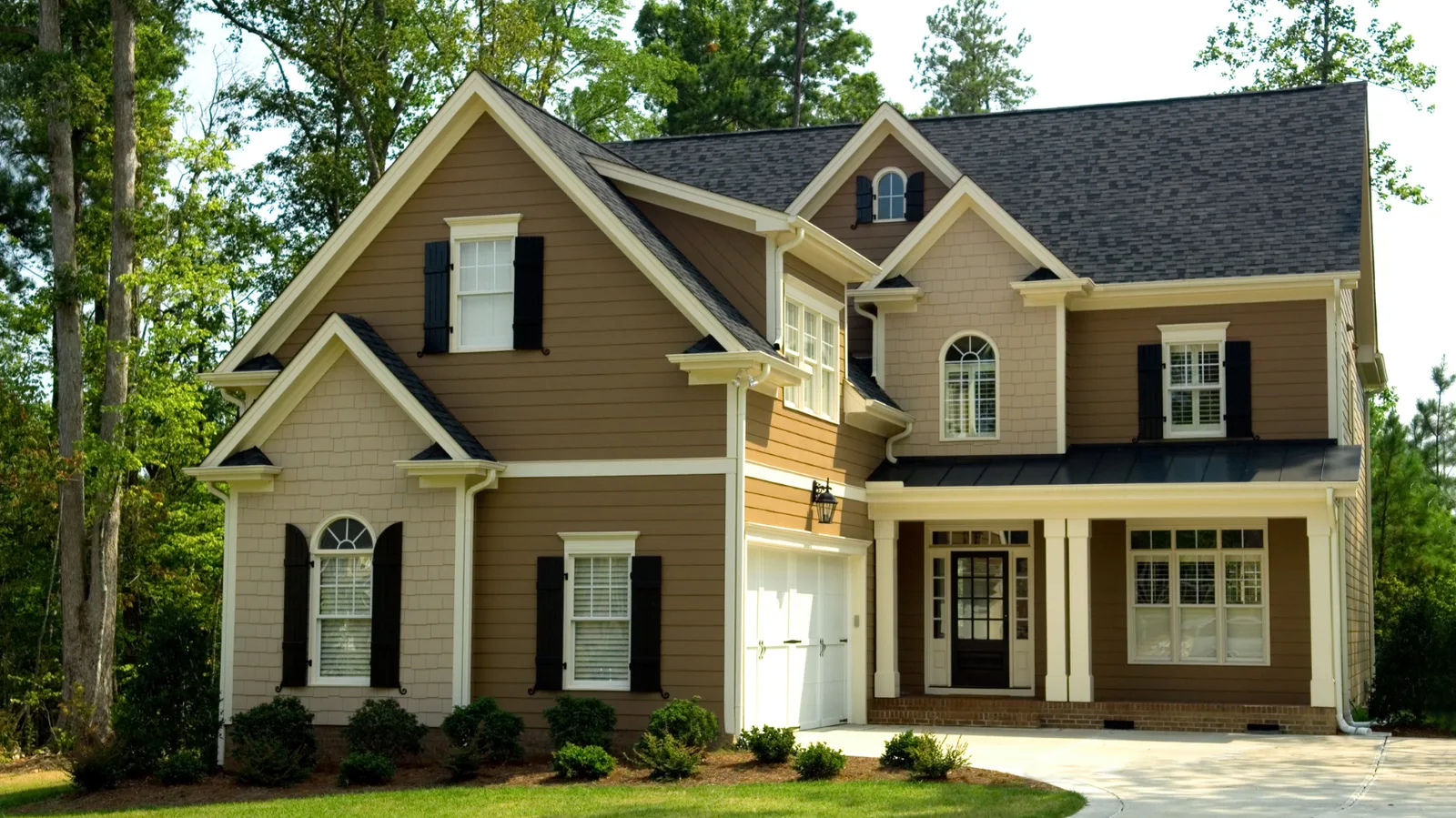
Guthrie, OK
After wind or hail, find out what happened to the roof before deciding how much work it needs.
Free roof inspections. Useful answers for your roof.
Wind can lift the shingle seal, tear covering or expose underlayment. Hail concerns need a closer inspection of the material and details. A dent on one surface does not tell the whole roof story, and a storm reported nearby does not prove damage at the property.
The first decision is whether the building has an active opening. Temporary protection limits exposure while the lasting work is assessed. The permanent scope then follows the type and extent of damage, the condition of surrounding roofing and what can be connected reliably.
Active leaks and temporary protection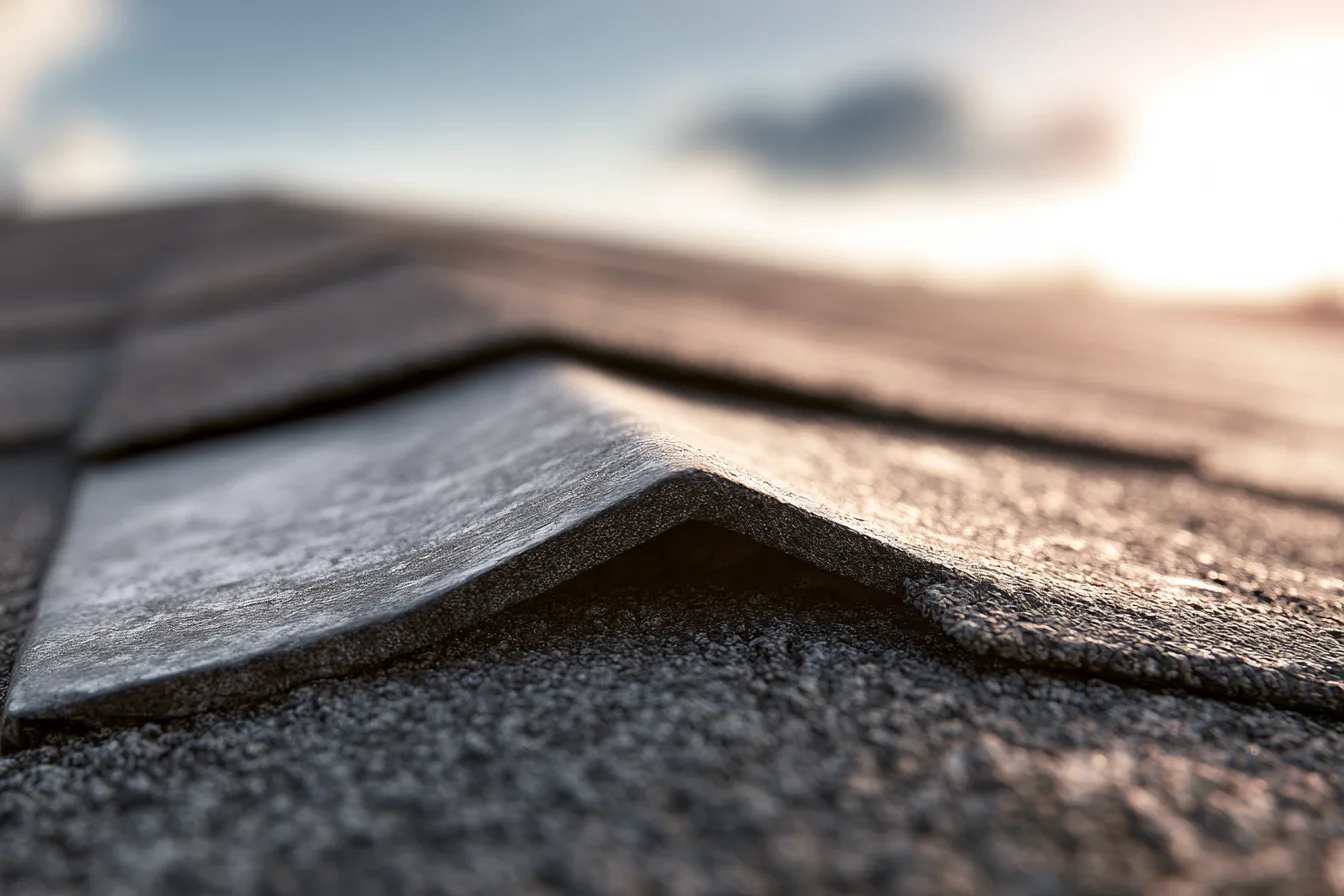
Inspection findings establish the work; the policy establishes the insurance treatment.
A limited area of damaged shingles or flashing can be repaired when nearby material and support allow a sound repair.
Several affected slopes, brittle covering or damaged supporting layers can change the amount of work. Replacement needs a full system scope.
Photos, storm dates and the roof findings help describe the condition. Coverage, deductible and settlement terms remain the insurer’s decision under the policy.
Call if water is entering. Share the property and what you can see safely from inside or the ground.
Safe access and the roof condition determine inspection and temporary protection options.
Repair or replacement ties the visible findings to connected roof materials and any hidden conditions.
No. Hail size, material condition and the actual findings affect the scope. A report alone is not a roof diagnosis.
No. The contractor describes the roof condition and work. The insurer applies the policy to decide coverage and payment.
An active opening needs attention to reduce further exposure. Describe the leak when you call; temporary protection and the permanent scope are separate decisions.
Guthrie Roofing Co
Tell us about the property and what changed. Start with a free roof inspection in Guthrie.
(405) 877-1967