When a targeted repair fits
The failure is limited, compatible parts are available, and the surrounding roof allows a sound connection. This can preserve useful covering and contain the amount of work.

Guthrie, OK
A lasting roof repair starts by finding the opening and checking what the new work will connect to.
Free roof inspections. Clear options for the roof you have.
Water inside the house can begin above a pipe, beside a wall or farther up a valley than the stain suggests. We trace the roof-side path before deciding how much material needs to come up. Closing the visible gap is not enough if water can still get underneath it.
An isolated problem can often be repaired without replacing the whole roof. The nearby shingles must be workable, the supporting deck sound and the new materials compatible. If those conditions do not hold, opening a larger section or replacing the roof becomes the more useful discussion.
How we approach roof leaks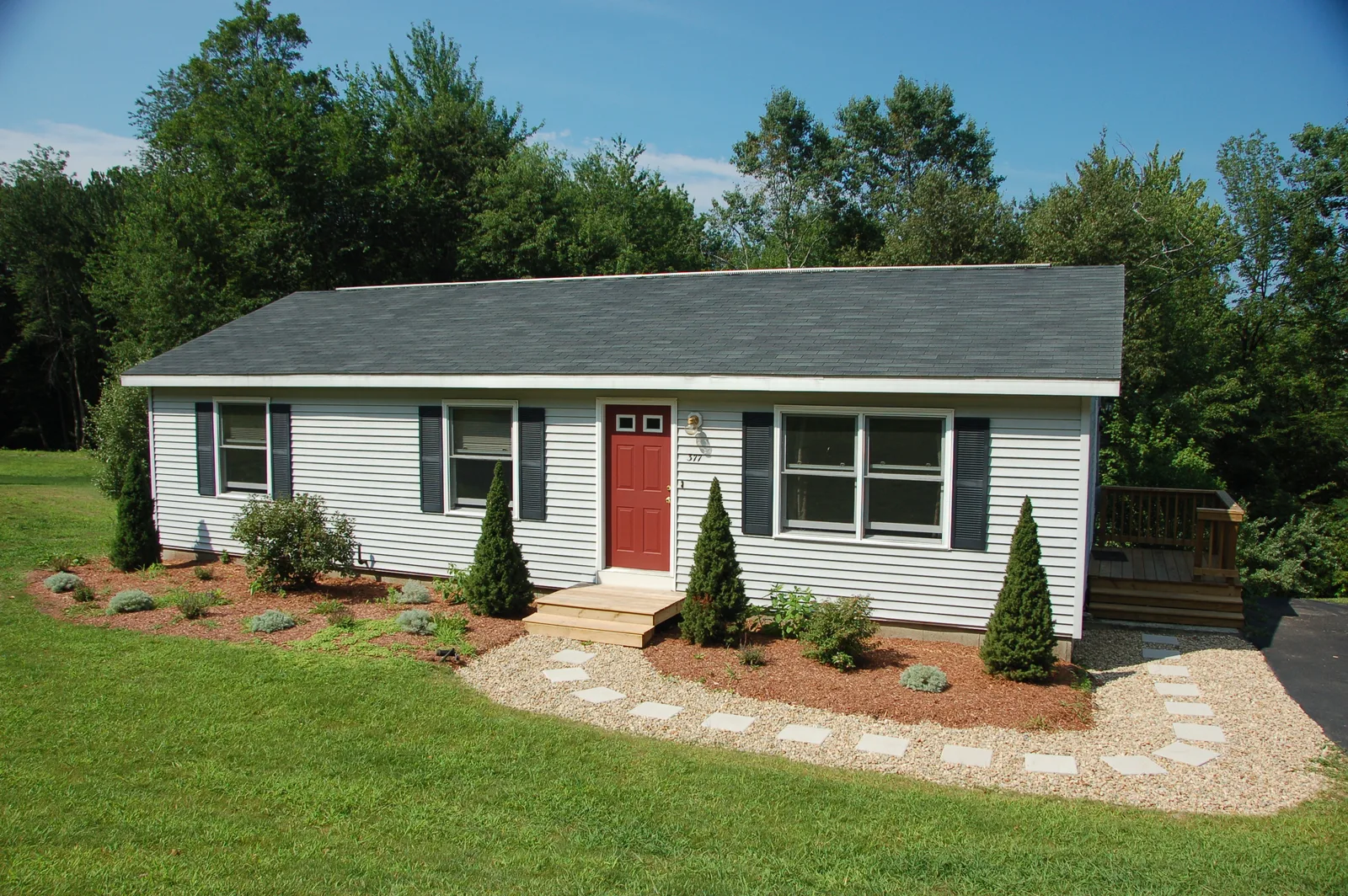
The symptom identifies where attention is needed. Inspection establishes the cause.
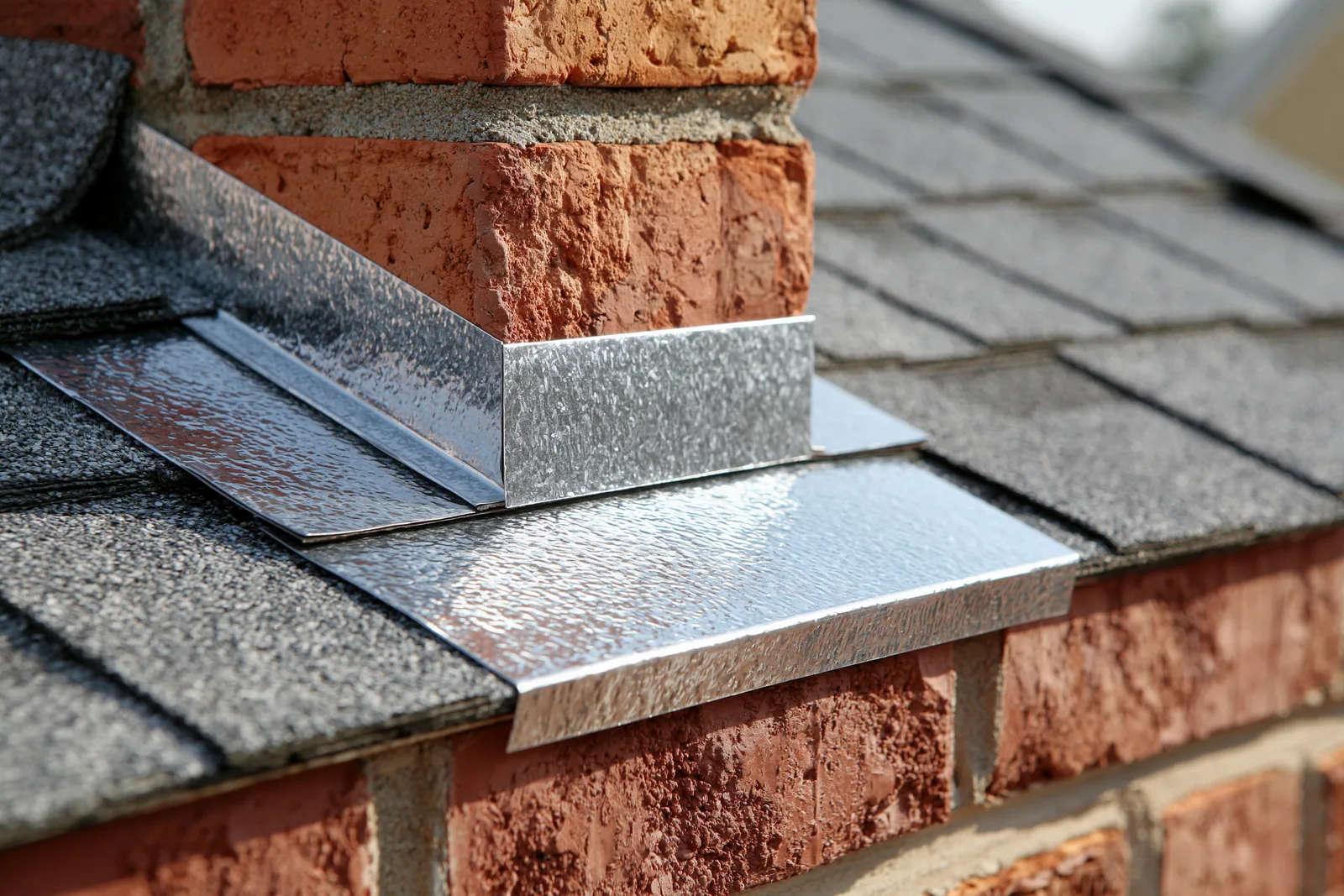
Rain can travel along the underside of roofing or framing before it appears indoors. Plumbing, wall and condensation sources also need to be separated from a roof leak.
The exposed fastening and underlayment need checking, along with the strength of the surrounding shingles and their attachment.
Repeated sealant at a chimney or wall can hide a flashing connection that needs rebuilding. The repair has to direct water back onto the roof surface.
The work follows the roof detail and the condition around it.
Damaged covering is removed as needed to expose the actual entry point. A small visible hole does not always mean the full repair stays within that spot.
Boots, flashing, underlayment and replacement covering are tied into the existing layers so water sheds down and out. Material choice and fastening follow the roof system.
Deck condition and the ability to work with the nearby covering determine whether the repair can finish on sound material. Wider wear changes the recommendation.
An expensive-looking leak can have a focused repair. A small leak in a worn roof can be a sign that more work is due.
The failure is limited, compatible parts are available, and the surrounding roof allows a sound connection. This can preserve useful covering and contain the amount of work.
Widespread cracking, brittle shingles, repeated leaks in different places or damaged layers across the roof can make additional spot work poor value. Replacement addresses the roof as a connected system.
The number of shingles is only one part of a repair. Finding and reaching the failure can take more work than replacing the damaged covering.
Understand roofing budgetsPitch, height, tight access and the amount of roofing that must be opened affect labor.
Chimney, wall and valley repairs depend on how the flashing and surrounding materials fit together.
Soft decking or wet materials beneath the covering can expand the repair after the surface is opened.
Yes, when that section can connect properly to sound existing materials. The repair boundary matters as much as the visibly damaged spot.
The same product and color can look different after the existing roof has weathered. Availability, texture and size affect how close the match can be.
No. A stain is evidence of moisture indoors, not a measure of the remaining life of the whole roof. Inspection separates an isolated opening from wider deterioration.
No. Tell us what you can see safely from inside or the ground. Wet coverings, height and hidden deck damage make roof access unsafe without the right conditions and equipment.
Guthrie Roofing Co
Tell us where water appears or what changed on the roof. We will help establish the repair that fits the condition.
(405) 877-1967