Flat roof repair and replacement
Leaks at drains, wall transitions or equipment curbs can be local problems. Repeated failures, wet insulation or deteriorated covering call for a wider plan.
Flat roof work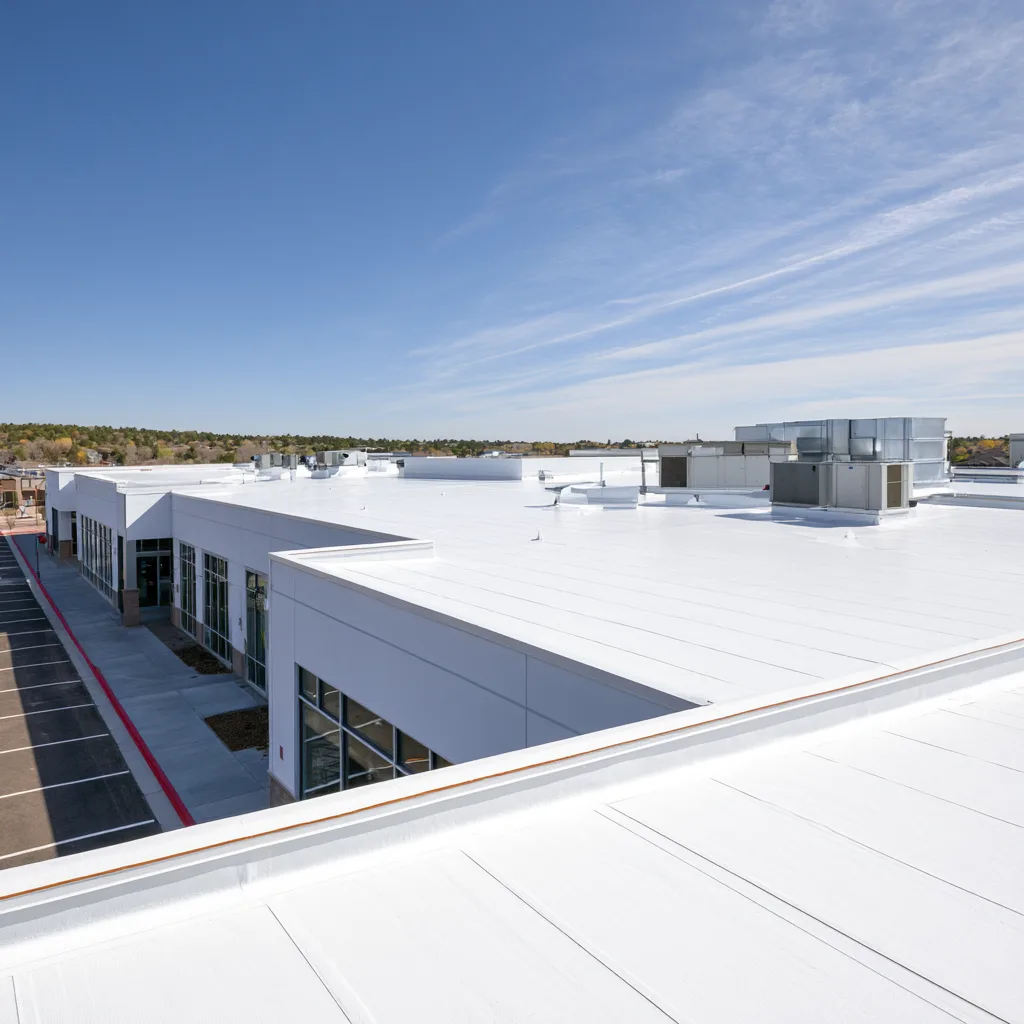
Guthrie, OK
Keep the roof decision connected to the building below it: its occupants, equipment, drainage and next years of use.
Free roof inspections. Clear options for the roof you have.
A leak over a sales floor, stockroom or tenant space needs a diagnosis that reaches beyond the visible wet spot. Low-slope water can travel under a membrane, along a deck or through insulation before appearing inside. Seams, drains, penetrations, curbs and parapet flashings all deserve system-specific attention.
The useful choice is not simply repair versus new membrane. A sound roof with a failed detail is different from a roof with widespread moisture below it. We help owners connect the condition to targeted repair, restoration where the existing system is suitable, or replacement when the assembly needs broader renewal.
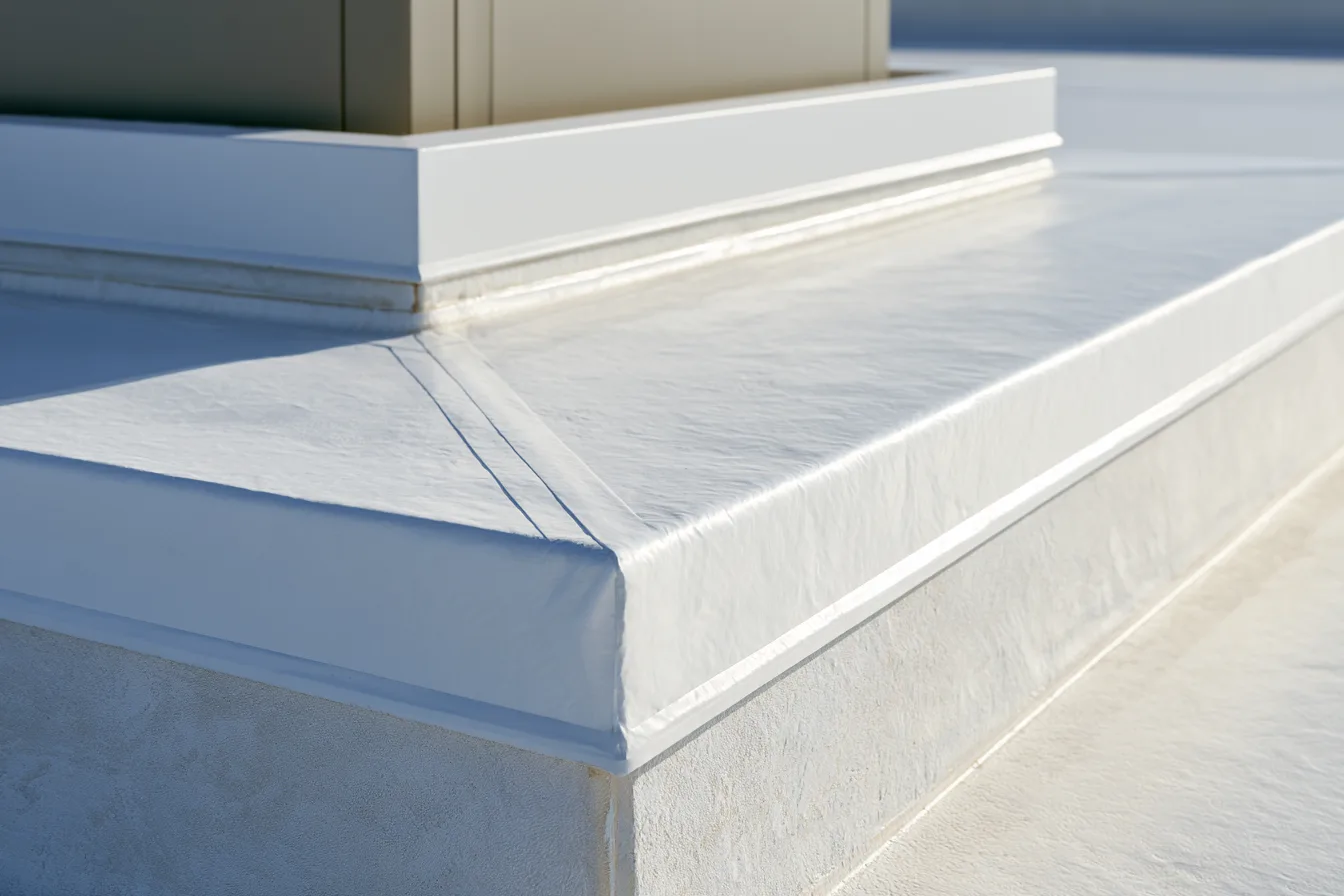
The surface, attachment and condition change the appropriate repair and long-term plan.
Leaks at drains, wall transitions or equipment curbs can be local problems. Repeated failures, wet insulation or deteriorated covering call for a wider plan.
Flat roof workMembrane seams, securement and flashing details form a connected system. Repairs need compatible materials and a sound surface for the new weld or detail.
TPO roofingA coating is considered after the existing roof is checked for moisture, drainage, adhesion and repair needs. It cannot turn wet insulation into a dry, sound assembly.
Roof coatings and restorationThe roof file should connect the leak history to what is happening at the surface and below it.
The inspection follows leak areas, seams, drains, scuppers and ponding clues. Water staying on a roof is a condition to understand, not a coating specification by itself.
Every change of plane interrupts the field membrane. Coping, flashings and rooftop-unit curbs need sound connections to the roof and wall.
Wet insulation, trapped moisture or damaged decking can change a repair or restoration into a removal-and-replacement decision. Testing needs depend on the roof and the planned work.
Roof hatches, loading areas, deliveries and rooftop equipment shape staging and access. Tenant activity and sensitive areas below help determine how the work is coordinated.
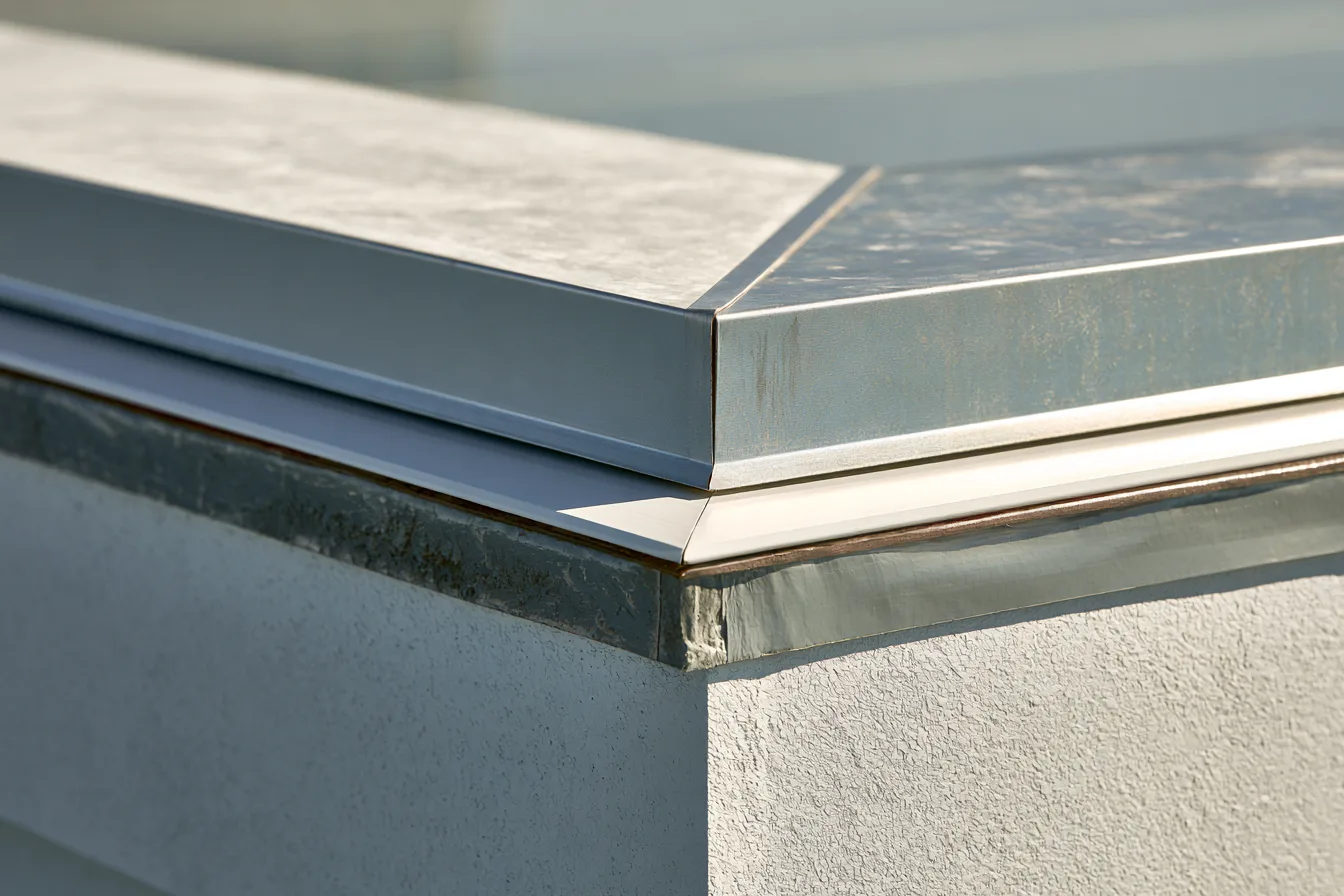
A useful commercial plan makes the system and building constraints visible together.
The existing layers, attachment, insulation and roof edge conditions determine the available options.
Known detail repairs, moisture-related removal and hidden-damage allowances need clear treatment so the owner understands what changes the price.
Access, equipment coordination, debris routes and work areas need to fit the operating building.
Yes, when the failure is limited and the surrounding assembly is sound. Widespread wet insulation, unsuitable layers or deterioration across the field can make broader removal necessary.
No. White membranes and coatings can look similar from a distance. The existing system needs to be identified before materials and repair methods are selected.
A coating does not correct roof slope or a blocked drainage path. Drainage and substrate conditions have to be addressed as part of selecting a suitable restoration system.
Guthrie Roofing Co
Tell us about the roof system if you know it, the leak location and how the building is used. We can start with a free roof inspection.
(405) 877-1967